



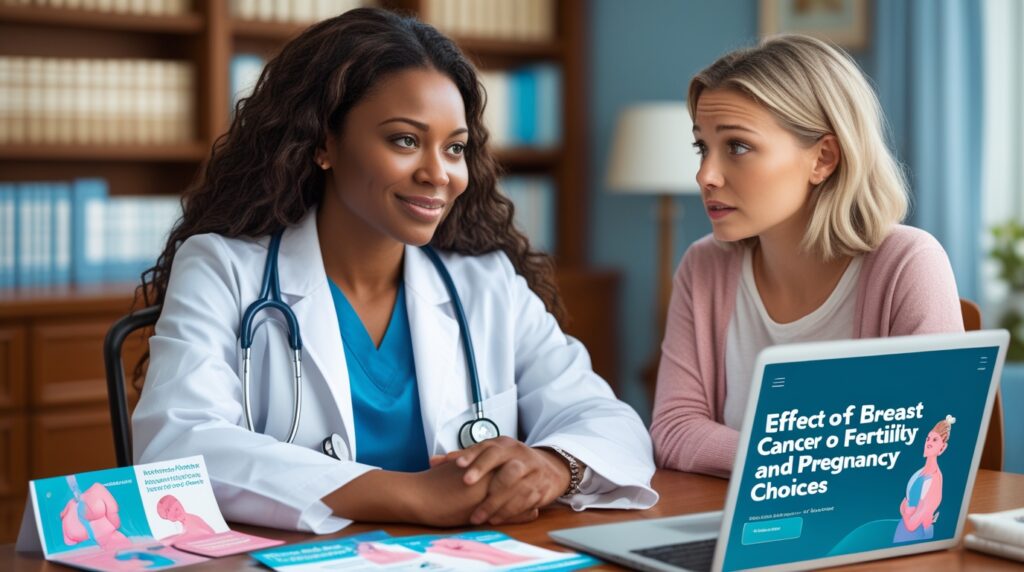
Breast cancer has a profound effect on life in so many different ways, and for women in their 20s, 30s, or even early 40s, the biggest question is how the treatment will impact fertility and pregnancy. Thanks to advances in medicine, many women can still go on to have a healthy pregnancy following breast cancer, but it has to be well planned. Speaking with a trusted Breast Surgeon and oncology team early in the process is essential to understanding options, timing, and the safest path forward.
How Breast Surgery and Treatment Affect Fertility
For most patients, breast surgery is one component of the original treatment plan, such as a mastectomy, lumpectomy, or reconstructive surgery. Breast surgery itself will not directly impair a woman’s ability to have children, but the therapies that then follow, including chemotherapy, radiation, or hormone therapy, can interfere with a woman’s ability to have children in the future.
Chemotherapy can harm the ovaries and, at times, cause temporary or even permanent infertility. Radiation, depending upon the location treated, also impacts reproductive health over time. Hormone therapy, which is typically used for hormone-receptor-positive cancers, typically goes on for a few years and postpones plans for pregnancy.
An empathetic and informed Breast Surgeon in Lahore can make sure patients see how surgical decisions play into the larger scheme, such as fertility, and can refer them to fertility experts prior to treatment.

Short-Term Issues for Young Women
Following a breast cancer diagnosis, most women are advised to start treatment as soon as possible. During these times, fertility talks can be daunting. Nevertheless, with the time spent on such discussions with a Breast Surgeon in Pakistan, the difference can actually be tangible in the quality of life later on.
Alternatives like freezing an egg or embryo are usually considered prior to undergoing chemotherapy. Some women are also advised to take drugs that help shield their ovaries from treatment. It is by bringing up fertility at this initial stage that patients will feel more empowered regarding future planning for their family.
Pregnancy After Breast Cancer Treatment
One of the most frequent questions women ask is whether it’s safe to get pregnant after breast cancer. The good news is that many women do have healthy pregnancies. What research exists today indicates that pregnancy following breast cancer will not heighten the threat of recurrence.
However, timing is everything. The majority of oncologists and surgeons recommend waiting two to three years post-treatment before attempting to get pregnant because that is the time when recurrence risk is most elevated. A gentle consultation with a Breast Surgeon and oncology team ensures the safest time frame for each case.
Breastfeeding After Breast Surgery
Breastfeeding is also an area where breast surgery and treatment can influence. A woman who has a lumpectomy can still breastfeed, although milk supply might be diminished. Mastectomy entails the removal of all the breast tissue, so breastfeeding from the involved side will be impossible. Radiation can also influence the production of milk.
A supportive Lahore Breast Surgeon will also assist mothers in knowing what to anticipate and advise on backup feeding plans if required. For many women, having knowledge of such information in advance reduces anxiety and enables them to plan securely.
Emotional and Psychological Considerations
Aside from the clinical considerations, fertility and pregnancy choices have a profound emotional burden. For some women, even the risk of infertility can become another loss heaped on top of their diagnosis. Some women may sense that they are being forced to make the decision between family-building and completing extended hormone therapy.
This is where the Pakistan Breast Surgeon’s role goes beyond the medical. A listening, explaining, and patient-supporting surgeon can be the make-or-break difference. They collaborate with fertility specialists, psychologists, and oncologists to develop a care plan that honors both health requirements and individual aspirations.
Role of the Breast Surgeon in Pakistan
In nations such as Pakistan, where discussions regarding fertility sometimes prove challenging or are even ignored, the advice of a compassionate and experienced surgeon is priceless. Not only does a Breast Surgeon in Pakistan conduct surgery, but they also stand up for patients’ overall well-being over the long term, making fertility preservation an integral part of the discussion where applicable.
In other large cities and in Lahore, additional clinics and hospitals are starting to incorporate fertility counseling into breast cancer treatment. A focused Breast Surgeon in Lahore can usually be the first contact, directing patients to these resources and assisting them in making informed choices.
Long-Term Planning and Support
Even with treatment, follow-ups are important on an ongoing basis. Hormone therapy continues for five to ten years, putting pregnancy off for most women. This can be frustrating at times, but it is necessary for long-term health. The breast surgeon, oncologist, and fertility specialist collaborate as a strong medical team to determine the best time for pregnancy.
In addition, dietary lifestyle like having a healthy diet, regular exercise, and stress management contribute significantly towards fertility and general recovery.
Final Thoughts
Breast cancer presents difficult decisions, but it does not necessarily shut the door on future motherhood. With proper planning, care, and medical advice, a lot of women are able to have healthy pregnancies and happy family lives following treatment.
Whether you’re looking into breast surgery, investigating fertility preservation prior to chemotherapy, or contemplating pregnancy after recuperation, consulting with a seasoned Breast Surgeon in Lahore or anywhere in Pakistan guarantees that you receive the information and support you require.
The journey can be difficult, but with skilled care, knowledgeable decisions, and optimism, women are able to see beyond the cancer and pursue their dreams of family and motherhood.
