



Radiation is a standard component of treatment for breast cancer, usually prescribed following breast surgery to kill any residual breast cancer cells. Although radiation is very effective in minimizing recurrence risk, it may at times impact nearby organs like the lungs and heart. These late effects may not be apparent at first, but can become issues years down the road. This is why advice from a seasoned Breast Surgeon and oncology team is important, not just during treatment but throughout survivorship.
Breast Surgery and the Role of Radiation Therapy
Following a mastectomy or lumpectomy, most women are recommended to have radiation therapy. The reason is evident: to treat and kill microscopic cancer cells that remain following breast surgery. A Breast Surgeon Lahore will describe how radiation enhances surgery, particularly in the case of early cancers where breast-conserving surgery (lumpectomy) is being done.
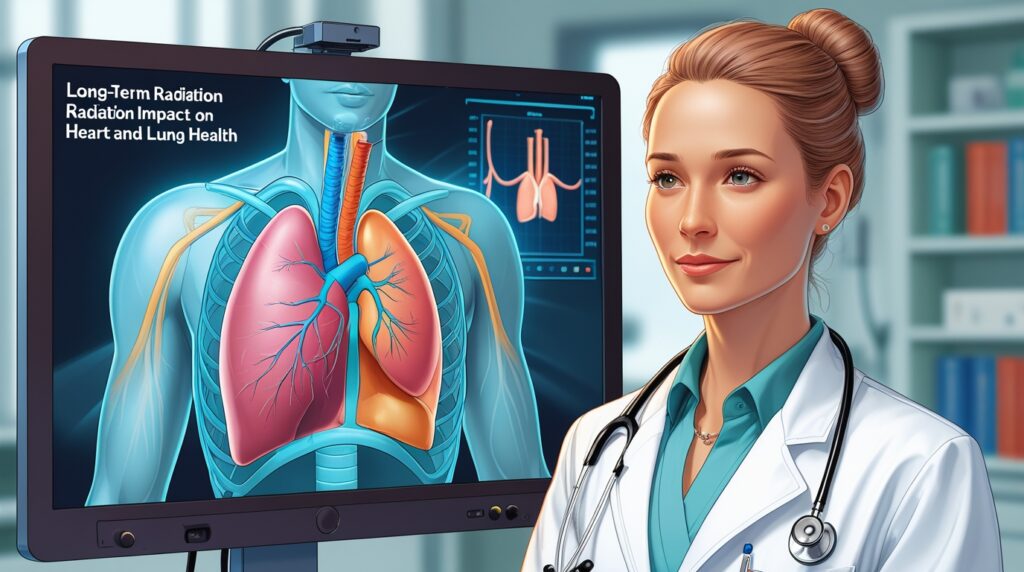
Though radiation is localized and well planned, its proximity to such important organs as the heart and lungs means there can be long-term side effects. They vary depending on the nature of the surgery done, the region treated, and the general health of the patient.
How Radiation Impacts the Heart
When radiation is aimed at the left side, the heart may be affected. In the long run, this can result in:
Coronary artery disease: Radiation can lead to stiffening of the arteries surrounding the heart, which increases the likelihood of heart disease.
Valve issues: Heart valves can thicken or leak following years of exposure to radiation.
Arrhythmias: On occasion, radiation can impact the rhythm of the heart.
Pericarditis: Inflammation of the sac that surrounds the heart, which leads to chest pain and fluid accumulation.
These complications tend to occur gradually, sometimes 10–20 years after the treatment. For this reason, follow-up with a Breast Surgeon in Pakistan and a cardiologist is necessary for women who underwent left-sided chest radiation.
How Radiation Impacts the Lungs
Radiation can also affect lung tissue, especially when it is used to treat cancers in the breast or the chest wall. Some of its long-term effects are:
Radiation pneumonitis: Inflammation of the lung that can lead to cough, shortness of breath, or fever a few months after treatment.
Pulmonary fibrosis: Lung tissue may become stiff and scarred over time, which decreases lung capacity.
Increased risk of infection: The treated lung area might be at a higher risk of respiratory infection.
Decreased exercise tolerance: A few women experience shortness of breath during exercise years after treatment.
By planning carefully and using sophisticated radiation methods, these dangers are much less today than they were decades ago. An experienced Breast Surgeon in Lahore usually collaborates with radiation experts to limit lung exposure and maintain long-term well-being.
Advances That Minimize Long-Term Dangers
Contemporary radiation therapy has come a long way. Procedures like deep inspiration breath-hold (DIBH) enable patients to breathe deeply while undergoing treatment, displacing the heart from the chest wall. Intensity-modulated radiation therapy (IMRT) equally enables accurate doses to be administered while sparing neighboring organs.
Under the guidance of an experienced Breast Surgeon, patients derive benefits from these contemporary approaches, which go a long way in negating the possibility of any severe cardiac or pulmonary issues in the future.
Emotional Impact of Long-Term Side Effects
It’s not only the physical side effects that are important, the threat of long-term harm can also trouble patients. Several women are concerned about whether radiation will impact their quality of life years later. Open discussion with a reassuring Breast Surgeon in Pakistan can alleviate these concerns. Being aware of risks, precautions taken, and follow-up care provided reassures patients during therapy.
Importance of Follow-Up Care
Long-term follow-up is important. Patients treated with radiation should be followed up regularly, not just with their oncology team but with cardiology and pulmonology specialists if necessary. A Lahore Breast Surgeon can order regular echocardiograms, lung function tests, or chest imaging to screen for early evidence of complications.
Lifestyle factors count as well. Not smoking, following a heart-healthy diet, and being physically active all lower the risk of late side effects and maintain overall health in good condition after breast cancer treatment.
Helping Patients in Pakistan
In Pakistan, where awareness of survivorship care is still in its formative stages, the work of a caring Breast Surgeon in Pakistan is particularly crucial. In addition to conducting surgery, these experts are also long-term allies of an individual’s medical journey, making sure the treatment impact is controlled even years down the line.
Lahore and other cities now have sophisticated radiation facilities available, but it’s the teamwork between the Breast Surgeon in Lahore, oncologists, and support staff that is responsible for making the patient succeed after the diagnosis of cancer.
Final Thoughts
Radiation therapy is a lifesaving component of breast cancer treatment, yet like any medical treatment, it does pose risks. The heart and lungs can be harmed in the long term, often years down the road. With today’s technology, thoughtful planning, and regular follow-up care, these risks can be lessened.
Most importantly, patients are not alone on this journey. Whether under the guidance of a Breast Surgeon in Lahore or anywhere in Pakistan, the proper medical team guarantees treatment not only effective but also safe for the future. By being well-informed, proactive, and supported, women can proceed forward confidently, knowing they have done everything they can to safeguard both their lives and their long-term health.
